
Call it payback, or call it bad karma. But after supplying Russia with drones that have pounded Ukraine, Iran is about to reap the consequences.
Ukraine is offering its technology and experience in anti-drone warfare to the U.S. and other nations that are under attack by Iranian UAVs. Ukrainian innovation, combined with the immense military and financial resources of the United States, Europe and the Persian Gulf states, could neutralize one of Iran’s most potent weapons.
The U.S. and its allies are struggling to stop the 2,000 or so drones that Iran has launched since the U.S. and Israeli bombing campaign began February 28. For lack of cheap counter-drone systems, they have been forced to use expensive guided missiles – such as $4 million Patriot interceptors – against $20,000 Iranian Shahed drones.
Hence the appeal for Ukrainian help. “We received a request from the United States for specific support in protection against ‘shaheds’ in the Middle East region,” Ukrainian President Volodymyr Zelensky tweeted last week. “I gave instructions to provide the necessary means and ensure the presence of Ukrainian specialists who can guarantee the required security.”
In fact, Ukraine has already sent counter-drone interceptors and personnel to defend U.S. bases in Jordan, Zelensky told the New York Times. Eleven countries have asked for help, and Ukrainian teams are also in Qatar, the UAE and Saudi Arabia, Zelensky has said.
Whether Ukraine has the resources and time to make a difference in the current Iran War is questionable. Nonetheless, Ukraine is the most innovative nation in the world when it comes to both attacking with – and defending against – drones. That expertise is the bitter fruit of confronting an armada of Russian drones, in which Iran has played a large part.
The Shahed 136 drones that Iran exported to Russia did not bring Moscow victory. But they did enable Russia to continue the war.
By late 2022, Putin’s dream of a blitzkrieg victory over Ukraine had collapsed. Russia’s incompetent armies were stalled on the ground. Nor did Russia have enough ballistic and cruise missiles to continuously bombard Ukraine, especially with international sanctions limiting the import of electronic components for smart munitions.
To Putin’s rescue came Iran, with Shahed drones that cost as little as $20,000 apiece and carry a 100-pound warhead. The Shaheds allowed Russia to conduct a bargain-basement bombardment of Ukrainian cities and critical infrastructure. Around 57,000 Shaheds have been launched at Ukraine, including Russia’s Geran-2 copy, which is built in Tatarstan.
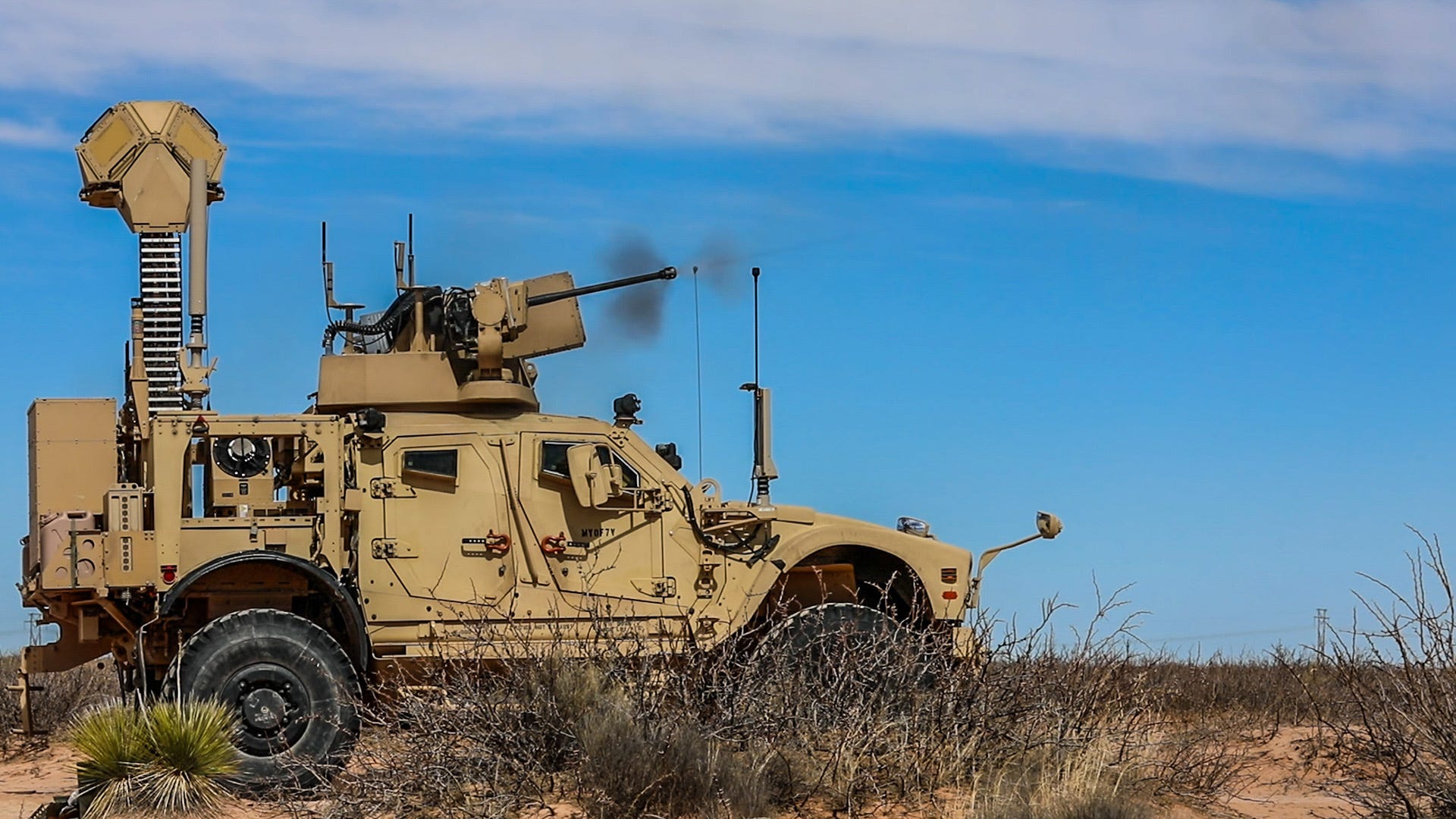
Ukraine got creative because it had no choice. Military aid from Europe and America – especially under Trump – has been uncertain, and Ukraine’s allies lack the capacity to manufacture large numbers of air defense missiles. Thus Ukraine has fielded an ingenious array of counter-drone, or C-UAS, systems, cobbled together with everything from cell phones to old machine guns. For example, the Sky Fortress system covers Ukraine with 14,000 acoustic sensors to detect the sound of Russian drone engines, including the noisy Shahed. There are also mobile air defense teams with .50-caliber machine guns, cargo planes armed with gatling guns, and nets erected over roads to keep out marauding drones.
The best defense is proving to be Ukrainian drones that intercept other drones. More than 70 percent of Shaheds attacking the Kyiv region in February were downed by using interceptor drones, according to the Ukrainian military.
Ukraine has many reasons for aiding the U.S. and other nations against Iran. Trying to get Trump to support Ukraine as a moral obligation, or a necessary counter against Russian expansionism, is futile with a U.S. president who thinks in transactional terms.
But showing that Ukraine is a useful ally to America in time of war may go a long way toward securing U.S. support. Zelensky has already suggested trading Ukraine’s counter-drone assistance in return for more air defense missiles to stop Russian attacks.
Ukraine also needs money to sustain huge defense budgets that would still be necessary even if Russia agreed to end the war. Much like Israel, which has leveraged its combat-proven weapons to become the seventh-largest arms exporter in the world, Ukraine will certainly export its counter-drone technology and experience. In particular, rich Persian Gulf nations will be eager to beef up their defenses after suffering Iranian drone strikes on their cities and oil fields.
Finally, there may also be an element of deterrence here. There is little that Ukraine can do to Iran in terms of military or economic hurt. Kyiv is 1,500 miles from Tehran, and while Ukrainian drones have attacked 1,100 miles away in Russia, Ukraine has its hands full just fighting Russia.
However, helping Iran’s adversaries shoot down Iranian drones sends a signal. Next time Russia asks for weapons, Iran should just say no.